In Portugal’s stunning Ria Formosa Natural Park, visitors can easily spot Europe’s magnificent Greater Flamingos. These elegant pink flamingos create a striking contrast against the Algarve landscape as they feed in saltpans and shallow lagoons. Our guide helps you watch them responsibly while protecting their delicate wetland habitat.
Top locations to find flamingos in Ria Formosa
Across this 18,000-hectare nature park, flamingos concentrate in specific areas rich with their favorite foods. These prime birdwatching spots let you observe wildlife behavior naturally without disruption.
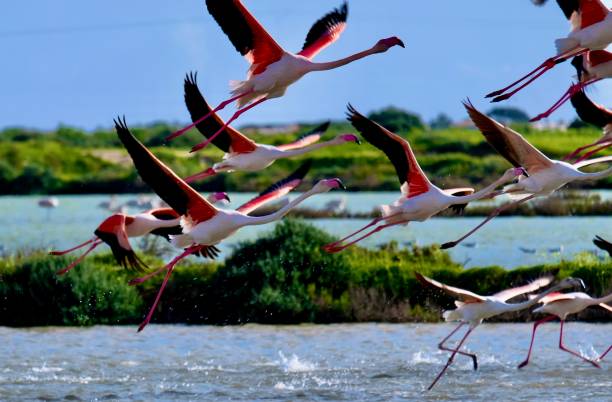
Saltpans and mudflats near Faro and Olhão
Near Faro, Quatro Águas provides year-round flamingo watching as birds feed in the shallows. The popular Ludo Trail between Faro and Almancil features observation platforms overlooking prime feeding areas.
- Salinas de Faro and São Lourenço saltpans: Active saltworks attracting daily flamingo visitors, accessible via short walks from town.
- Barra de Olhão and Gilão River mouth: Perfect for photography at low tide when birds gather on exposed mudflats.
- Lagoa de Faro shallow lagoons: Spectacular dawn/dusk gatherings create unforgettable silhouettes.
These saltpans offer the most reliable places to find flamingos in Ria Formosa. Protected as part of Portugal’s premier natural park, they guarantee remarkable wildlife encounters.
Island colonies on Culatra, Armona and Barreta
Ilha Deserta’s tranquil waters shelter one of the park’s largest flamingo populations. Boat tours from Faro navigate quiet channels near Culatra and Deserta for undisturbed viewing. The islands serve as winter nurseries where young birds learn feeding techniques.
Designated island trails provide excellent flamingo watching along lagoon edges. Situated within the Ria Formosa Natural Park , Casa Fuseta offers convenient access to guided kayak and boat trips showcasing flamingos and diverse ecosystems.
Accessible boardwalks and viewing platforms
Quarteira’s western Ria Formosa boardwalk provides elevated viewing without disturbing birds. At Marim reserve, camouflaged bird hides let visitors observe flamingo behavior at close range.
For the best viewing experience of flamingos in Ria Formosa, plan your visit around these optimal times:
- Early mornings: The cooler hours right after sunrise (6-9 AM) find birds most active—feeding in shallow waters as mist rises off the saltpans.
- Late afternoons: Golden light before sunset (5-7 PM) illuminates pink plumage beautifully while birds prepare to roost.
Tide cycles dramatically affect visibility. Aim for mid-tide periods when:
- Receding tides expose nutrient-rich mudflats where greater flamingos feed
- Incoming tides gradually concentrate birds closer to observation points
Essential gear for flamingo watching
To fully enjoy the Ria Formosa Nature Park’s avian spectacle, pack these key items:
- Binoculars (8×42 or 10×42): Essential for observing details like the black-tipped bills of courting birds
- Telephoto lens (300mm+): Capture those iconic pink reflections in the Algarve’s waters
- Weather-appropriate clothing: The wetland area can be windy—layers work best
Several visitor centers throughout the Algarve region, particularly near Tavira and Olhão, rent quality optics if you’re traveling light.
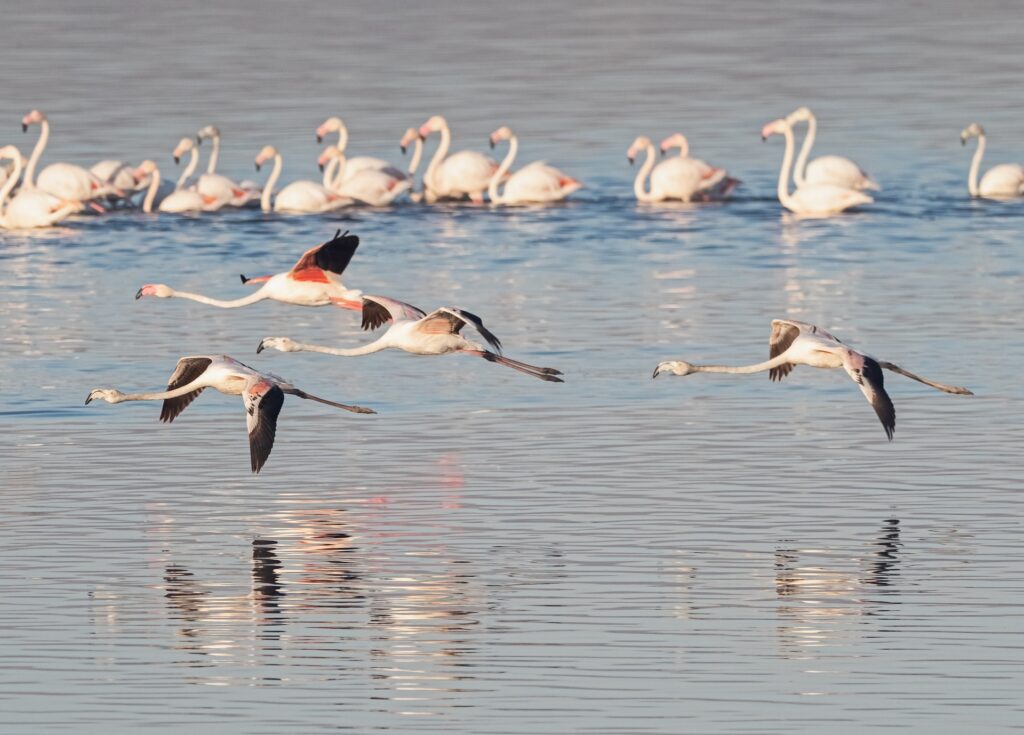
Photography tips for capturing flamingos
When photographing these elegant birds in Portugal’s southern regions:
- Use the golden hours for warm, soft lighting that enhances pink plumage
- Focus on group formations to show social behavior rather than just individuals
- Shoot from low angles at Marim salt pans to silhouette birds against sunrise/sunset
Remember that flamingos are easily startled—maintain a respectful distance and let their natural behaviors unfold.
The Ria Formosa Nature Park‘s wildlife thrives when visitors practice ethical observation. Your patience will yield the most authentic encounters with these magnificent flamingos in Ria Formosa and their diverse neighbors including terns and other migratory birds.
The best time for spotting active birds in the reserve is during the early morning hours (7–9 am). As the sun rises, its golden light perfectly highlights their vibrant feathers while they forage before the day gets too hot. Later in the day, between 7–9 pm, you’ll find similar lighting conditions and excellent chances to watch birds gathering for their evening rest.
- Low tide creates ideal feeding areas: When the water recedes, nutrient-rich mudflats emerge, attracting flamingos to feed near the viewing platforms in shallow lagoons.
- Clear weather offers better viewing: On still days, the water’s surface remains calm, making bird reflections clearer, while windy conditions often push flocks toward sheltered spots.
- Skip the midday heat in summer: As temperatures climb, flamingos tend to move to deeper waters, so early mornings or late afternoons provide much better sightings.
You can pick up tide tables from the visitor centers in Faro and Olhão to help schedule your trip for optimal viewing. Checking weather forecasts beforehand ensures you’ll enjoy calm conditions, keeping different flamingo species clearly visible. By carefully timing your visit based on these insights, you’ll get the most out of your birdwatching experience in this stunning natural park.
Guided tours and independent access options
Whether you prefer expert guidance or solo exploration, the Ria Formosa Natural Park offers both. Guided tours provide specialized gear and expert knowledge, while independent visits let you set your own pace while discovering local wildlife.
Boat excursions and kayak tours
The well-known Ria Formosa Birdwatching Tour includes stops at prime viewing locations near Culatra and Deserta islands. Each session begins with an informative briefing, using detailed maps to pinpoint the best spots where birds gather in the shallow lagoons.
- Kayak tours: Paddle quietly through the western channels for peaceful, close-up encounters with feeding birds.
- Sunset boat trips: Evening cruises departing from Faro and Cabanas de Tavira follow migration routes, offering stunning views of pink-hued birds against the sunset.
- Shuttle boat services: Hop on and off at different lagoon stops throughout the day for flexible birdwatching.
Most guided tours include binoculars and experienced guides to help identify waders, the elegant black-winged stilt, striking spoonbill, graceful terns, and other remarkable birdlife. The Ria Formosa lagoon not only offers world-class birding but also serves as a breathtaking setting for luxury stays throughout the year.
Public transport and parking for independent visitors
Public buses stop at key entry points, including the trailhead for the Ludo Trail near the airport and Quatro Águas. Local visitor centers are helpful for the latest tide schedules and recent sightings to maximize your watching experience.
- Free parking areas: You’ll find convenient spots near Salgados Lagoon, Quinta do Lago, and the Faro Beach trail, offering scenic lagoon views.
- Bike rentals: Exploring by bike along the Marim wetlands and coastal paths lets you observe birds with minimal disturbance.
- Ferry routes: Regular ferries from Olhão and Fuzeta provide easy access to islands where feeding flocks thrive across the Algarve.
For the best independent birdwatching experience, come prepared with a zoom lens (minimum 300mm), waterproof footwear, earth-toned clothing, sun protection, and offline navigation tools. Boaters must follow marked channels to protect this delicate habitat and its nesting bird colonies.
Luxury accommodation with direct flamingo views
High-end waterside rentals feature exclusive observation decks where guests can watch flamingos in Ria Formosa going about their daily routines. These premium properties merge 5-star comforts with convenient access to nature trails and birdwatching platforms.
Our carefully renovated villa in Fuzeta positions you perfectly within the Ria Formosa Natural Park, a protected UNESCO area teeming with vibrant ecosystems. From here, you’ll have front-row seats to observe large congregations of pink flamingos, elegant spoonbills, and other aquatic species throughout daylight hours.
Practical tips for responsible flamingo watching
By following eco-conscious practices, we help preserve these magnificent birds for future visitors to Portugal. Adhering to conservation protocols not only safeguards the wetlands but also significantly improves your personal watching encounters.
Essential gear and preparation
Pack quality binoculars (8x or 10x magnification) or a camera with a solid zoom lens to observe flocks comfortably from afar. Essentials include weatherproof shoes, muted-toned clothing, sun protection, and insect repellent. With limited amenities in the natural park, bring sufficient water and snacks. A bird identification guide (digital or printed) will help you recognize different flamingo species and their feathered neighbors.
Conservation etiquette
Strictly use designated paths, observation points, and approved water routes when exploring the Ria Formosa Natural Park. Maintain at least 30 meters distance from feeding or nesting areas. Never attempt to feed the flamingos – human food harms their digestive systems and alters natural behaviors. Practice quiet observation, wear camouflage colors, and immediately report any environmental concerns to park authorities.
Frequently Asked Questions
Where can I see flamingos in Ria Formosa?
To find flamingos in the Ria Formosa Natural Park, head to Quatro Águas near Faro or explore the beautiful Ludo Trail leading to Almancil. Prime viewing spots include the saltpans at São Lourenço, Salinas de Faro, and the islands of Culatra, Armona, and Deserta. You may also spot them north at Lagoa dos Salgados or in the wetlands near Marim.
For unforgettable sightings of flamingos in Ria Formosa, time your visit with low tide at the Gilão River mouth or Barra de Olhão. As waters retreat, they expose rich feeding grounds where these elegant pink birds congregate in large numbers.
When is the best time to see flamingos in the Algarve?
Peak viewing season in the Algarve runs from November to March when migratory flocks boost local populations. Transition periods in spring (March-May) and autumn (September-October) also offer fantastic opportunities to see large numbers of these stunning birds.
For optimal viewing conditions, aim for early mornings or late afternoons when lighting is best. Always check tide schedules as flamingos concentrate near exposed mudflats during low tide, making them easier to observe throughout Portugal‘s coastal areas.
What other bird species can I observe in Ria Formosa?
The Ria Formosa Natural Park shelters an astonishing diversity of over 200 bird species. Keep an eye out for elegant black-winged stilts, distinctive spoonbills, various terns, and numerous waders sharing the habitat with herons and egrets.
This thriving birdlife flourishes across the park’s mosaic of ecosystems, from its shallow lagoons to active saltpans. Seasonal migrations transform the area into a birding paradise, offering enthusiasts exceptional opportunities to observe both resident and visiting species.