Table of Contents
Knowing when the low season in the Algarve occurs allows travelers to plan a perfect getaway with fewer crowds and far better value. This guide covers the quietest months, typical weather, and how a visit during the off-season can completely transform your trip. Discover how the period from November to March offers a more authentic taste of Portuguese culture, peaceful beaches, and truly exceptional accommodation deals.
When is the low season in the Algarve?
The low season in the Algarve typically runs from early November through the end of March, creating an extended period of tranquility across the region. After mid-October, tourist numbers drop sharply, with visitor figures falling to below 20% of the annual overnight stays seen during the peak summer months.
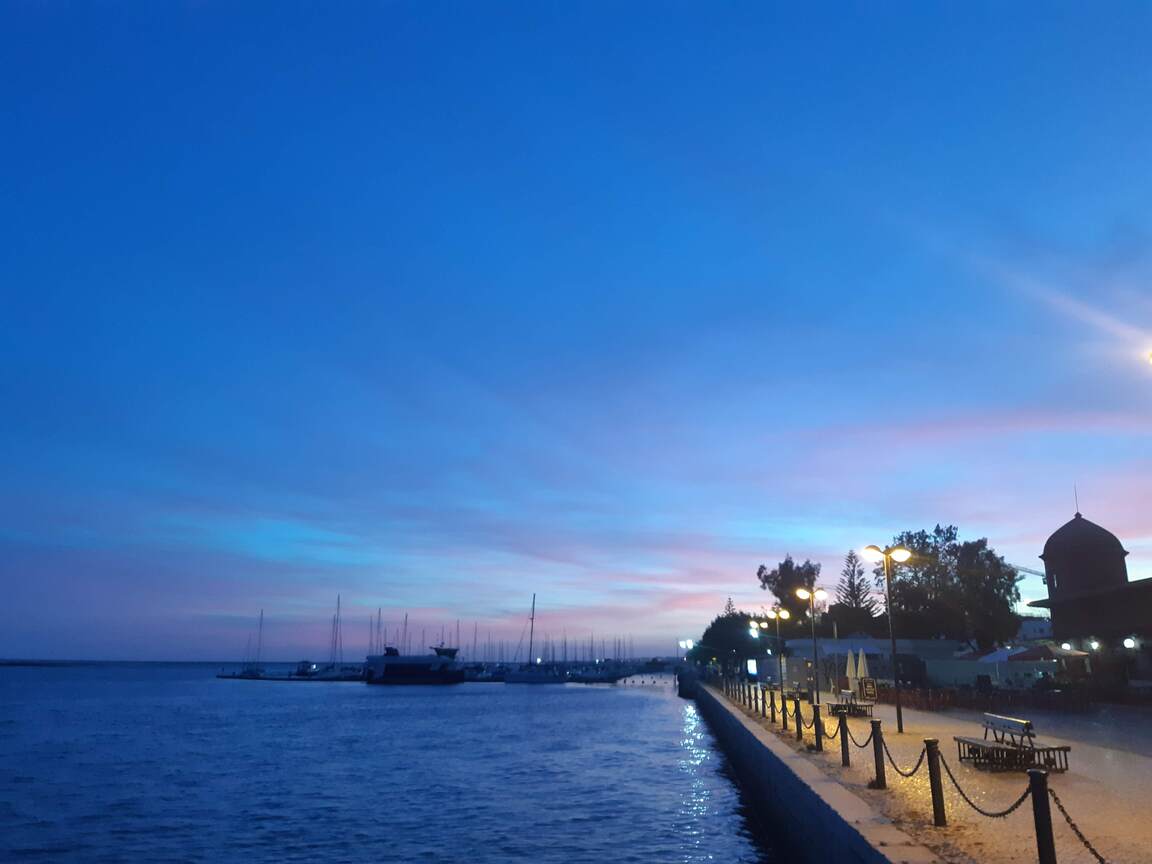
Core low season months and visitor patterns
January and February are usually the quietest months, when visitor numbers hit their absolute lowest, offering maximum solitude for sightseeing and long walks on the beach. November acts as a gentle transition from summer, with many hotels still open despite far fewer tourists. By December, the core low-season conditions are firmly in place, establishing the calm atmosphere that defines a winter visit.
- November transition period: This month bridges the gap between summer crowds and the true low season, offering moderate prices while hotel availability remains good.
- December-February core months: These represent the heart of the low season with minimal tourists and the best accommodation discounts, often up to 50% off peak rates.
- March recovery phase: Temperatures begin to warm up gradually, yet crowds generally remain small until late spring approaches.
- April onset: This marks the beginning of the shoulder season, with visitor numbers and prices starting to climb back toward summer levels.
Peak tourist crowds diminish dramatically after mid-October, effectively making November a very quiet start to the season. This shift creates ideal conditions for those seeking peaceful exploration without the intense hustle of the high-season tourism that dominates from July through August.
Shoulder season versus true off-season timing
The off-season months from December through February are substantially different from the shoulder periods that occur in April-May and September-October. The true low season offers maximum solitude, the lowest prices, and the most authentic local atmosphere possible within the Algarve region.
Shoulder season months generally provide moderate visitor levels and pleasant weather, but prices are often higher than in winter. Understanding this distinction helps travelers choose between seeking absolute peace during the genuine low season or enjoying slightly busier periods with shoulder-season convenience.
What weather to expect during Algarve low season?
Visiting the Algarve during the low season offers a wonderful opportunity to enjoy its stunning natural beauty without the large summer crowds. Discover how pleasant Algarve winter weather is for year-round outdoor adventures. Whether your passion is exploring the stunning coast, playing a round of golf, or hiking scenic trails, the climate is remarkably agreeable.
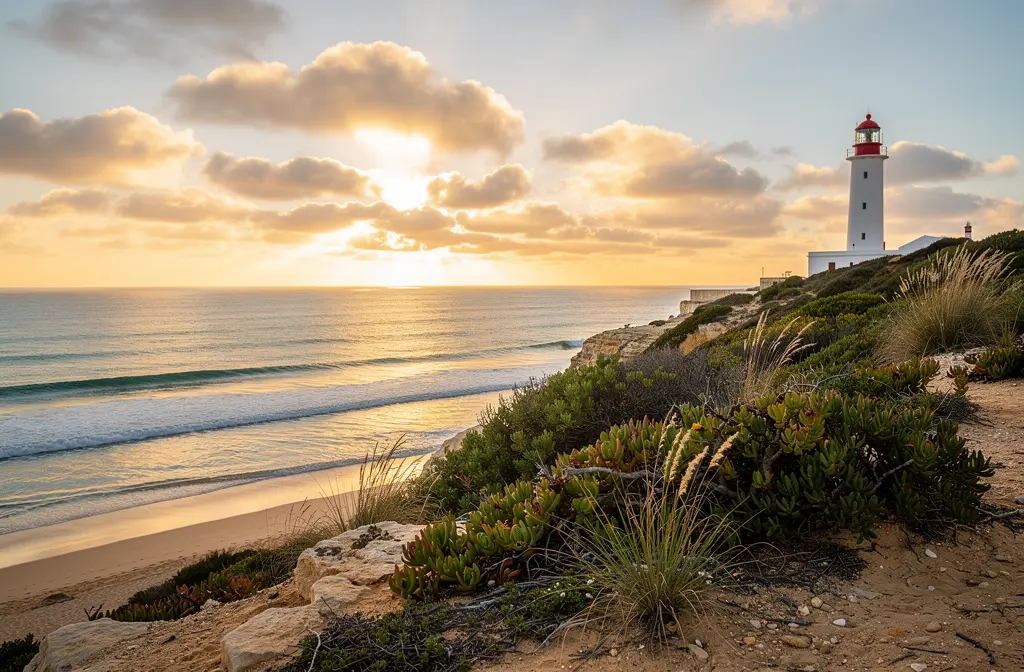
Temperature ranges and daily climate conditions
Algarve winter weather typically brings pleasant daytime highs ranging from 15°C to 20°C (59-68°F), which is perfect for staying active. January and February are the coolest months, with average temperatures sitting around 14°C to 16°C. The air is rarely so cold that it prevents you from hiking or visiting local attractions.
Evenings in the Algarve do get noticeably cooler, often dropping to around 10°C (50°F). A light jacket is a must for outdoor dining or a post-sunset stroll along the coast. The best approach is to dress in layers, which lets you adjust comfortably as low season temperatures fluctuate during the day.
- Daytime comfort: With temperatures of 16-20°C, conditions are ideal for walking and photography, allowing you to explore historic towns without the exhausting summer heat.
- Evening cooling: As it drops to around 10°C, packing a jacket is essential for enjoying comfortable outdoor dinners.
- Indoor activities: Museums and cultural sites provide a warm and fascinating refuge during the occasional cooler spell.
Even though it’s cooler than in summer, the region’s weather remains significantly milder than in most northern European destinations. It’s a top choice for anyone seeking precious winter sun and an escape from harsher climates back home.
Rainfall patterns and sunshine hours in winter
Winter rainfall is generally moderate, ranging from about 40mm in March to 117mm in December. You’ll still be greeted by plenty of sunny days between the occasional showers. These comfortable temperatures in the low season are complemented by increasing daylight, which grows from roughly 5 hours of sun in January to 7 hours by March.
This increase in sunlight provides ample time for sightseeing, ensuring your days can be filled with exploration despite the shorter daylight hours. The combination of mild temperatures and frequent sunshine creates superb conditions for enjoying both the coast and the inland areas.
Sea temperatures and outdoor activity conditions
Sea water temperatures usually drop to between 16°C and 18°C during the winter. Swimming is generally too chilly without a wetsuit, though some hardy souls still take the plunge. While this may deter a casual swim, it creates excellent conditions for other activities.
Winter winds generate fantastic surf conditions, particularly on the western beaches of the Costa Vicentina. This attracts surfing enthusiasts who love the consistent swells and uncrowded waves. Meanwhile, walks along the dramatic cliffs are especially pleasant, offering breathtaking scenery without the summer crowds.
Hiking the Costa Vicentina trails in March, with temperatures around 18°C and stunning sea views, makes long-distance trekking a joy, free from the risk of heat exhaustion. Activities like hiking and golf become genuinely pleasurable during the low season, as the cooler weather provides the perfect environment for staying active.
Why visit the Algarve during off-season months?
Beyond the pleasant weather, there are many compelling reasons to visit the Algarve during the off-season, including significant cost savings. The low season offers a unique opportunity for authentic cultural experiences that are often overshadowed in the summer. Discover how expanded rental availability opens up opportunities for extended stays in luxury properties throughout the region during these quieter months.
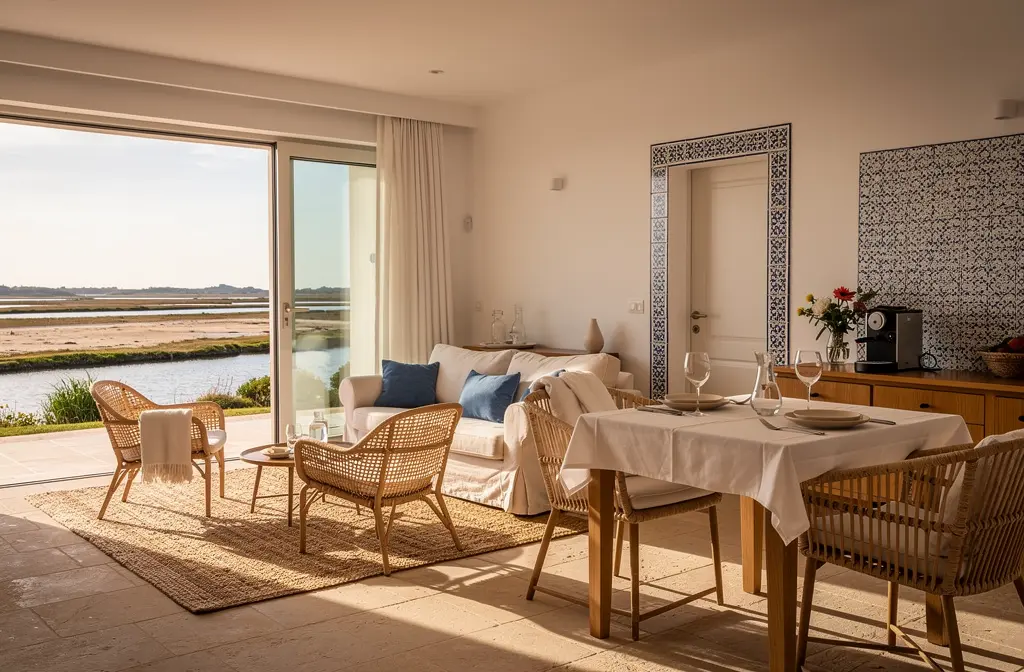
Cost savings and accommodation availability advantages
One of the main off-season advantages is the significant drop in prices, often 30-50% lower than summer rates. This dramatic shift makes high-end villas with private pools surprisingly affordable for travelers. With accommodations being less crowded, you also gain the flexibility to make last-minute bookings with ease.
- Accommodation pricing: Discounts of 30-50% make luxury properties affordable, often pricing villas with pools lower than standard summer hotels.
- Booking flexibility: Reduced demand makes spontaneous travel easy, allowing for stress-free last-minute reservations.
- Property selection: Greater availability across all types of accommodations helps you find the perfect venue for your specific budget.
Many properties remain fully operational throughout the winter in southern Portugal, ensuring you still enjoy reliable amenities and services. You’ll receive personalized attention from staff, which is often impossible during the frenetic pace of summer. This guarantees a consistently high quality of service throughout your stay.
| Season | Average nightly rate | Booking availability | Service quality |
| Peak summer (July-August) | €200-400+ | Limited options | Rushed, limited staff |
| Low season (November-March) | €80-200 | Extensive selection | Personalized, attentive |
| Shoulder season (April-May, September-October) | €140-280 | Good availability | Balanced, quality service |
Authentic experiences and crowd-free attractions
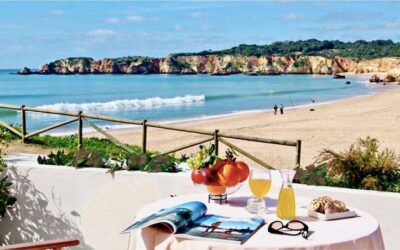
Significant winter Algarve benefits include experiencing genuine local culture as the Portuguese language takes center stage again. Stunning beaches like Praia da Falésia remain virtually empty, offering a rare sense of peace and tranquility. You can enjoy long, solitary walks that are simply impossible during the busy summer months.
Historic towns like Tavira become a joy to explore without the overwhelming crowds of tourists. Local restaurants provide more personalized service, allowing for authentic conversations with owners and immediate table availability. Whether you arrive in April during the shoulder season or in the deep winter, explore why the low season provides ideal luxury experiences that combine excellent value with genuine cultural immersion.
Frequently Asked Questions
What is low season in the Algarve?
The low season in the Algarve generally spans from November to March, with the quietest months being January and February. During this period, the number of tourists drops dramatically, representing less than 20% of the region’s total overnight stays throughout the year.
You’ll find that accommodations become much more affordable, with prices falling 30-50% compared to summer rates. With fewer crowds, you can enjoy a more relaxed and genuine experience while exploring the region’s beautiful beaches, charming towns, and cultural landmarks.
What makes the Algarve an attractive off-season destination compared to other European regions?
Southern Portugal benefits from significantly milder winters than northern Europe. Daytime temperatures often range from 15°C to 20°C, making it pleasant for outdoor activities. Although you might encounter some rainfall, there are still plenty of sunny days ideal for walking along the coast, hiking, or golfing.
This off-season period offers a uniquely peaceful environment alongside highly affordable lodging options. It’s a perfect chance to relish the Algarve’s natural beauty and local culture without the summer bustle and premium prices.
Are restaurants and services available throughout the low season in the Algarve?
Most restaurants, cafés, and essential shops remain open during the low season, though their operating hours may be shorter. Some seasonal venues—such as beach bars and water-sports facilities—may close completely, so it’s a good idea to verify in advance.
Essential public services, including banks, post offices, and public transport, continue to operate as usual from November to March. A bit of planning ahead will help ensure your trip remains convenient and enjoyable despite the quieter off-season atmosphere.