Table of Contents
- Is Fuseta a good base for Ria Formosa?
- Fuseta ferries and islands to visit
- Explore Ria Formosa from Fuseta
- Frequently asked questions
Whether Fuseta works well as a base for exploring Ria Formosa National Park has a practical answer: it does. The village brings ferry crossings, wildlife, beaches and on-the-water activities within easy reach.
Is Fuseta a good base for Ria Formosa?
Fuseta sits within the protected wetlands of Ria Formosa, rather than at their edge. That distinction matters: the lagoon, islands, birdlife and boat departures are all within walking distance, instead of requiring a drive from the place where a guest sleeps.
Location between Olhão and Tavira
Positioned between Olhão and Tavira, Fuseta is a practical base for exploring Ria Formosa National Park. Both towns are close enough for a half-day cultural detour, while the village itself remains quiet and unhurried. Olhão, roughly to the west, offers a covered market and ferries to Culatra and Armona; Tavira, to the east, brings Roman bridges and an architectural character that rewards an afternoon on foot.
Faro Airport lies approximately 25 kilometres away, reachable in around 25 minutes via the A22. Those who prefer not to hire a car can use Fuseta’s two railway stations on the Faro–Vila Real de Santo António line, with Faro, Olhão and Tavira all within comfortable rail reach. Once settled, the village’s compact scale makes driving rarely necessary day to day.
Why visit this fishing village
Fuseta retains the rhythm of a working harbour: fishing boats return at sunrise, quayside restaurants serve the morning’s catch, and the local market draws residents rather than souvenir browsers. A Ria Formosa map makes the village’s position within the 18,000-hectare protected area clear: Fuseta does not merely border the park but sits within it.
Getting around without a car
Fuseta remains easy to navigate on foot or by public transport. For those without a car, the area remains genuinely accessible.
- Regional rail: Two stations link Fuseta with Faro, Olhão and Tavira without the need for a car, making scheduled day trips straightforward.
- Public bus: Local bus routes connect with Olhão and Faro, with stops a short walk from the waterfront and beach.
- Ecovia Litoral cycling route: A dedicated coastal cycling path passes through salt pans and lagoon edges, suitable for all fitness levels on a standard hire bike.
Casa Fuzeta, a Fuzeta villa within the Ria Formosa, places guests beside the lagoon and removes the need for daily transfers to the park. The beach, marina, ferry pier and restaurant strip form a compact cluster, while the beaches and islands beyond include Culatra and Armona.
Fuseta ferries and islands to visit
From Fuseta’s marina, the barrier islands are only minutes away by water. The village ferry service, together with connections from nearby towns, provides access to five distinct islands and two peninsulas, each with its own beaches, character and atmosphere.
Fuseta’s direct island crossing
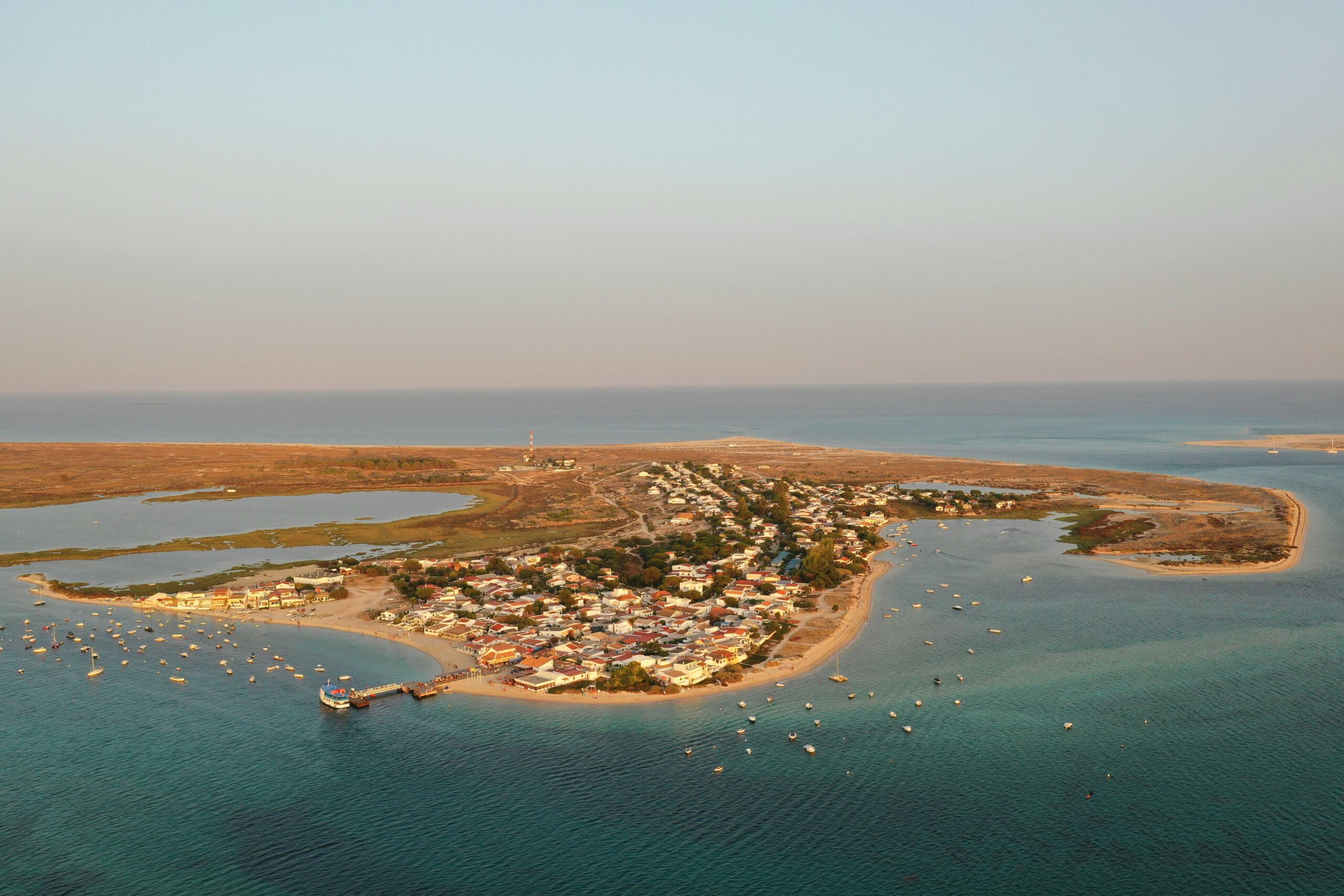
For anyone considering how to get to Ria Formosa Natural Park from Faro, the rail and road journey is straightforward. Guests staying in Fuseta, however, can reach the park directly from the waterfront: the ferry to Ilha da Armona leaves the marina for a short crossing. The crossing takes under ten minutes.
- Ilha da Armona: The closest island crossing from Fuseta, reaching the eastern end in around ten minutes. Its lagoon-side water is calm, and a small settlement offers seafood restaurants.
- Culatra Island: Accessible via Olhão, with a working fishing community and local seafood restaurants serving the daily catch directly from the harbour.
- Ilha da Barreta: A remote dune wilderness at the western end of the park, reachable from Faro and suited to visitors seeking solitude rather than extensive facilities.
- Tavira Island: Home to an Anchor Cemetery and a miniature train running through salt marshes; access is via the Quatro Águas pier near Tavira.
Return ferry tickets to the barrier islands cost around €2–3. Winter services may be reduced or suspended on certain routes, so check the current timetable before planning an off-season island day.
Mainland and Atlantic beaches
Those deciding how to get to Ria Formosa Natural Park by car can follow the A22 motorway from Faro to the Fuseta exit in approximately 25 minutes. Free parking is available at most ferry terminals. From there, the village beach is immediately walkable: Praia da Fuseta-Ria stretches for around 400 metres beside the centre, with fine sand, Blue Flag water quality, shallow lagoon conditions, showers, changing rooms and accessible beach wheelchairs in peak season.
Beyond the lagoon, Praia da Ilha da Fuseta presents a six-kilometre Atlantic-facing beach on the ocean side of the sandbank. Wave conditions are reliable for surfing, while the sheltered lagoon side remains warmer and calmer; summer water temperatures regularly reach 22 to 25°C. Consult the guide to Fuseta Beach for facilities, tide tables and the best stretches for different activities throughout the season.
Planning ferry connections
From May to October, the Fuseta ferry to Armona runs roughly every 10 to 20 minutes during peak hours, making spontaneous crossings practical. In spring and autumn, services operate approximately every 30 to 45 minutes, allowing a comfortable day trip without strict planning around departures.
Armona makes the natural first stop from Fuseta, while Culatra and Tavira Island each merit a separate half-day. Book a guided boat tour to see the lagoon, marshes, beaches, wildlife channels, salt pans and local communities.
Explore Ria Formosa from Fuseta
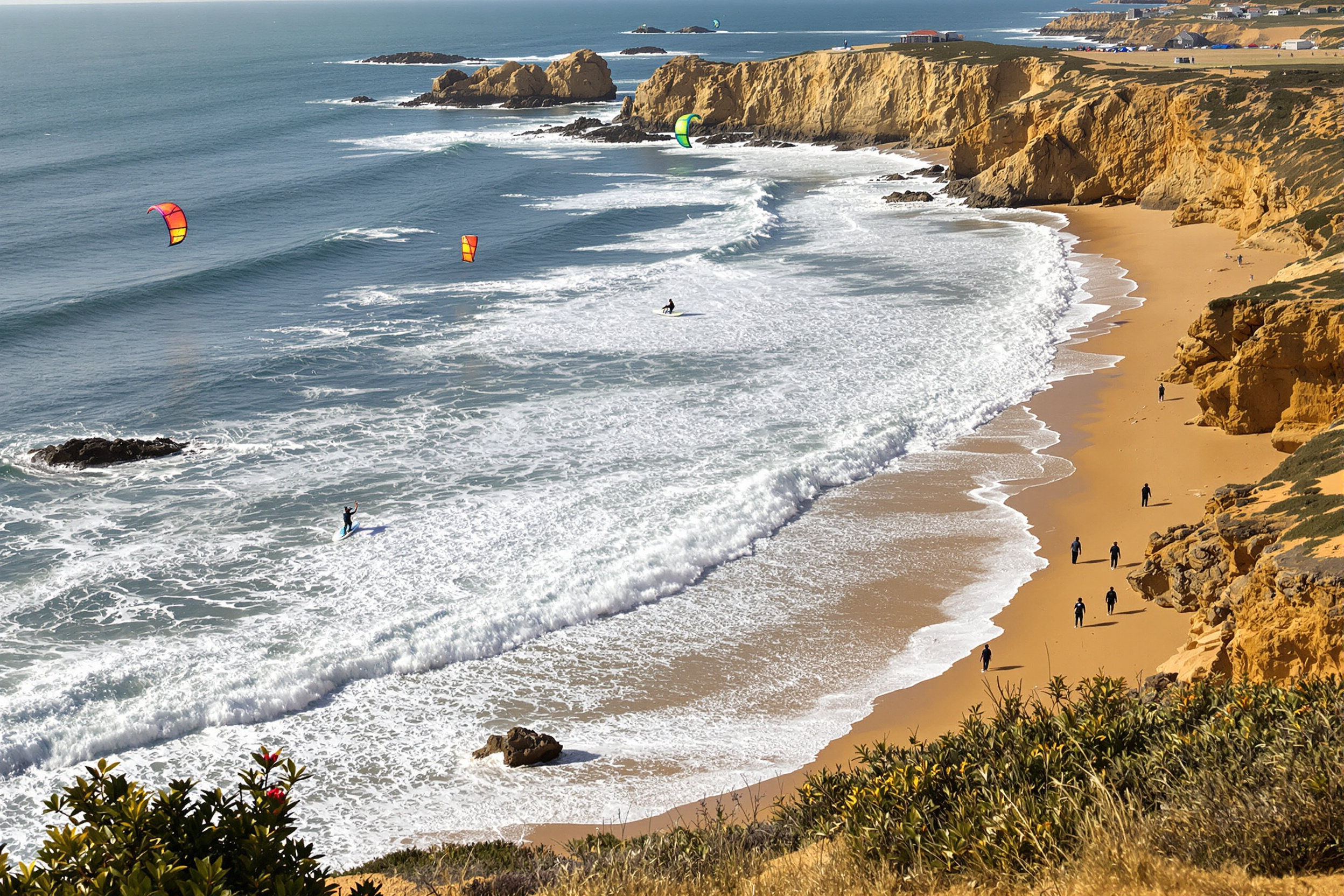
The protected lagoon at Fuseta is more than a scenic backdrop. It is the starting point for kayaking, paddleboarding, kitesurfing and guided wildlife excursions, allowing a visit to Ria Formosa to begin as soon as guests step outside rather than after a transfer.
Boat trips and watersports
If you are planning a trip to Ria Formosa and deciding how to reach the Ria Formosa Natural Park directly by water, Fuseta’s marina offers a practical answer: local operators run guided boat tours from the village, following wildlife-rich lagoon channels and stopping at observation points beside historic salt pans. Lasting approximately 90 minutes to two hours, a boat tour may combine natural habitats with visits to oyster and lamb farms, often including time ashore on Armona Island.
- Guided boat trips: Departing from Fuseta marina, these 90-minute to two-hour excursions follow lagoon channels, salt pans and island stops, often with a naturalist guide on board.
- Kayaking and paddleboarding: Local instructors provide equipment and lessons directly on the lagoon beach; routes range from short harbour loops to half-day excursions through sheltered channels.
- Kitesurfing: The flat, shallow lagoon beside the village is a recognised kitesurfing location when wind conditions allow, attracting experienced riders and beginners taking their first lessons.
- Stand-up paddleboarding for families: Calm sections near the sandbank suit beginners and children, with equipment hire available directly on the beach.
The difference lies in the immediacy: the lagoon is right outside, with no drive to a separate watersports centre. After a morning on the water, Casa Fuzeta’s rooftop pool, maintained year-round at 26 to 28°C, offers a natural pause before an afternoon island crossing.
Wildlife worth planning a visit around
As an internationally recognised nature reserve, Ria Formosa records over 300 bird species across the year, with approximately 200 present year-round. The opening hours of the Ria Formosa Natural Park are not restricted in the usual sense: these wetlands form a living, open landscape rather than a fenced attraction. Bird watching can begin at first light from the lagoon edge, before boat traffic disturbs the channels; mornings before 9am are consistently the strongest period for photography and observation.
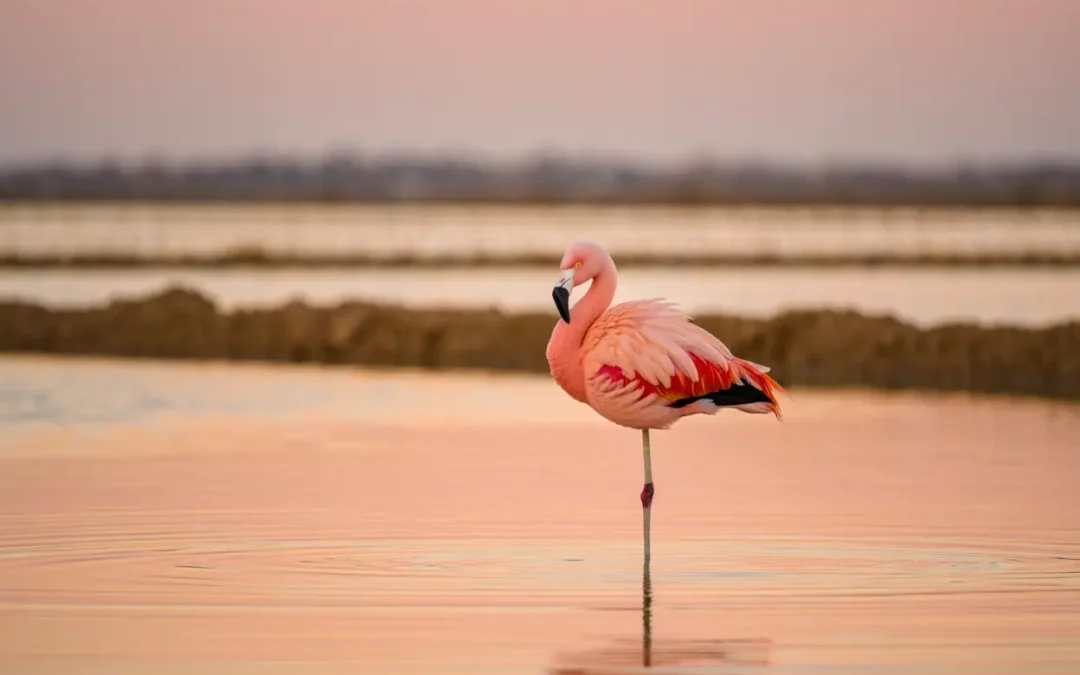
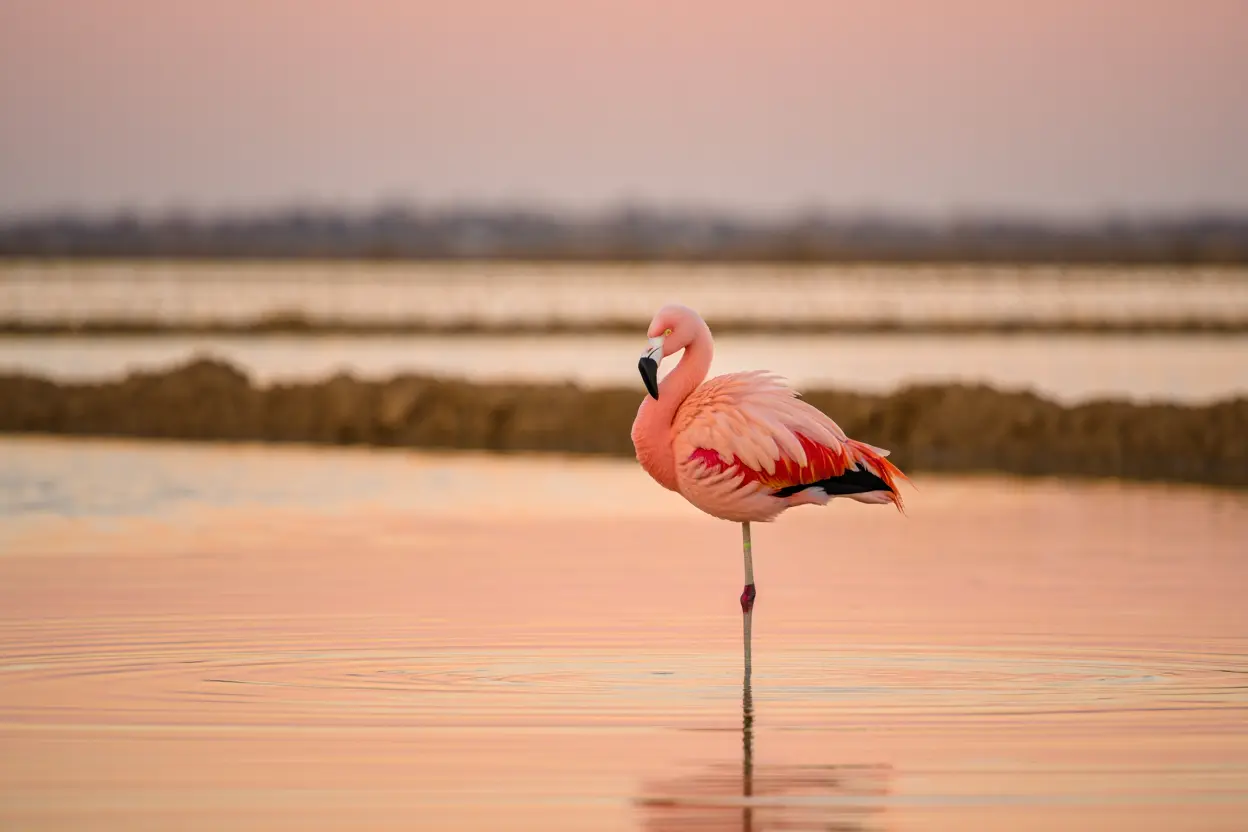
Flamingos reach peak numbers in autumn, while spoonbills, avocets, little egrets and white storks are most visible during spring and summer breeding seasons. In winter, up to 20,000 resting waterfowl gather in the lagoon. Mediterranean chameleons inhabit the sandy dunes, while the channels support one of the world’s most significant seahorse populations; observing them requires a boat and patience.
Cycling, walking and best seasons
The Ecovia Litoral cycling route connects Fuseta with nearby villages across 15 kilometres of lagoon edge, passing salt marshes, traditional windmills and flamingo habitat. The GR13 hiking trail crosses the Ria Formosa Natural Park, with a trailhead just outside the village. Spring brings wildflowers, calm seas and moderate crowds; autumn combines warm water temperatures with peak flamingo numbers. Visitors should remain on marked routes and leave no single-use plastics in this fragile wetland ecosystem.
Planning a visit to Ria Formosa is simpler from Fuseta: Armona, the lagoon beach and the wider Ria Formosa Natural Park are all within easy reach, with no transfer time to account for.
Frequently asked questions
Is Fuseta worth visiting for a nature-focused holiday?
Fuseta is a strong choice for a nature-focused stay. The village sits within the Ria Formosa, with the lagoon, barrier islands and wildlife channels close at hand. Its compact, walkable scale makes ferry departures, lagoon beaches and guided boat trips easy to reach on foot.
The working fishing harbour and local market lend Fuseta a character that larger Algarve resorts rarely match, while rail connections link it with Tavira and Olhão. For travellers seeking immersion rather than proximity to a national park, it remains one of the more compelling options in the eastern Algarve. The Ria Formosa natural park guide offers a broader overview of habitats, activities and seasonal planning.
How long should one spend in Fuseta to explore Ria Formosa?
Two full days provide enough time for the main experiences without rushing: a ferry crossing to explore Ria Formosa and its barrier islands, a guided lagoon boat tour, birdwatching before 9am, and a section of the Ecovia Litoral by bicycle or on foot.
One day is enough for a brief overview, a beach visit and a ferry crossing to Armona, but it leaves little time to appreciate the park’s depth. Three to four days allow day trips to Tavira, Olhão and Santa Luzia, bringing together the cultural and ecological range of the eastern Algarve at an unhurried pace.
What types of activity can families with children enjoy in and around Fuseta?
Families benefit from Fuseta’s sheltered lagoon setting. The Blue Flag beach beside the village has shallow, calm water, lifeguard cover in peak season and practical facilities including showers, changing rooms, accessible beach wheelchairs and sun-lounger hire.
A ten-minute ferry ride to the eastern end of Ilha da Armona costs around €2–3 return and introduces children to island beaches with calm lagoon-side water. Kayaking tours welcome children aged six and older, while paddleboarding on the protected lagoon suits beginners of all ages.
At low tide, sandbanks reveal tidal pools and shells: a simple, low-cost afternoon requiring little more than curiosity and a good hat. These gentle activities make it easy to visit the coast at a slower pace, with nature close throughout.