Table of Contents
- Sand highlights of the eastern Algarve
- Plan perfect beach days in Portugal
- Eastern Algarve Sand vs West Coast Cliffs
- Why the Eastern Algarve Sand Wins
- Frequently Asked Questions
Dreaming of idyllic eastern Algarve beaches where powdery sand meets turquoise waters? This guide showcases the area’s most stunning shores – from Ilha de Tavira’s spectacular island beaches to Fuseta’s hidden lagoon-side coves and Cacela Velha’s breathtaking clifftop vistas. We’ve packed in local knowledge about ferry routes, tide patterns, and insider tips for discovering secret sandbars within the Ria Formosa Natural Park, helping you experience Portugal’s eastern coastline like a true local. You’ll find everything from transportation details (car, train or boat) to the best times for uncrowded sands and accommodation suggestions that capture the authentic charm of fishing villages in the eastern Algarve.
Sand highlights of the eastern Algarve
The eastern Algarve beaches dazzle with endless dunes, tranquil island settings, and crystal-clear lagoon waters that attract families, water sports enthusiasts, and sun worshippers alike. Whether you’re hopping on a ferry from Tavira to Ilha de Tavira, exploring Fuseta’s dual beaches, or catching waves at Monte Gordo, each praia offers a unique mix of tides, landscapes and the protected Ria Formosa ecosystem. Below, we reveal standout beaches, provide ferry details, and share tide-conscious advice to help you always discover the perfect sandy spot.
Top praias near Tavira and Fuseta
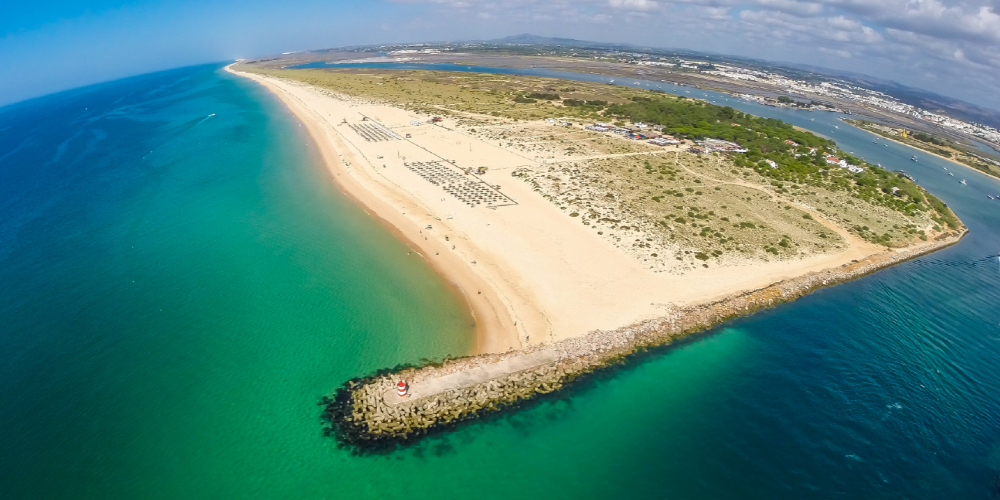
Ilha de Tavira ranks among the best eastern Algarve beaches, accessible via a quick ferry from Tavira town to an 11km stretch of calm, shallow waters and golden sand – perfect for swimming, windsurfing or simply strolling barefoot. Nearby, Praia do Barril charms visitors with its iconic Anchor Graveyard (a collection of historic tuna fishing anchors) and a scenic miniature train or wooden walkway leading through dunes to a spacious, family-friendly beach.
Getting there and ferry basics
Most visitors arrive via Faro Airport, then drive east on the A22 for about 30 minutes to ferry departure points in Tavira, Olhão or Fuseta. Ferries serve eastern Algarve beaches near Tavira including Ilha de Tavira, Ilha da Armona, Ilha da Culatra and Ilha Deserta, costing €2-3 per trip with frequent summer schedules (typically starting around 8am and running past sunset). Regional trains from Faro stop at Fuseta-A or Luz de Tavira, both just a short walk to the docks.
For Praia do Barril, you can either cross the pedestrian bridge at Pedras d’El Rei or take the charming mini-train through salt marshes and pine woods – parking is available near the station. Monte Gordo and Manta Rota (near Vila Real de Santo António) offer convenient drive-up access with ample parking, while reaching Cacela Velha’s beach involves a scenic descent from the cliffside village to a hidden sandbar with panoramic Ria views.
When tides shape your beach day
Tides dramatically transform eastern Algarve beaches: low tide reveals expansive sandbanks that feel blissfully private even in peak season, while high tide can shorten crossings and reduce shore space. Check tide tables (available online or at harbor offices in Fuseta, Tavira and Olhão) and plan for mid- or low-tide periods to fully enjoy sandbar exploration, seabed photography, or dry walks to Cacela Velha’s island.
During July and August, arrive at ferry docks before 9am to secure early crossings and the best beach spots before crowds arrive. While afternoon tides typically rise (reducing beach space), they create deeper, warmer lagoon pools that are ideal for children and swimmers preferring protected waters on eastern Algarve beaches.
Plan perfect beach days in Portugal
Create memorable eastern Algarve beach holidays by selecting family-friendly spots with soft sand, safe swimming areas, and convenient ferry connections. Arrive early to secure parking near boarding points and claim your spot on the shoreline before crowds arrive. Our guide helps you effortlessly transition between tranquil lagoons and Atlantic surf, enjoying delicious seafood meals, breathtaking views, and seamless travel across some of the best Algarve beaches Portugal has to offer.
Family-friendly routes and amenities
Start at Praia da Fuseta within the protected Ria Formosa lagoon, where shallow waters and Blue Flag status create ideal conditions for children learning to swim. Hop on the ferry to Ilha da Armona for fresh seafood lunches at colorful fishing village cafés. Family essentials like lifeguards, restrooms, and shaded picnic areas are readily available at popular spots including Praia de Faro, Monte Gordo, Ilha de Tavira, and Vila Real de Santo António.
The paved waterfronts in Monte Gordo and Vila Real de Santo António offer ice cream shops and souvenir stands where you can enjoy ocean views without getting sandy. For a quieter experience, the pine-shaded picnic areas at Cacela Velha and Praia Verde feature built-in barbecue grills perfect for family meals. Remember to bring cash for beach vendors, a light jacket for breezy afternoons, and reusable water bottles to stay hydrated.
Active days on sand and lagoon
Early morning paddleboarding lessons depart from Fuseta, gliding across the calm Ria Formosa waters where flamingos wade in the shallows. Kayak tours venture deeper into the nature reserve, spotting rare birds before landing on deserted island beaches for a picnic lunch. Adrenaline-seekers can try windsurfing at Praia do Barril or jet-skiing along Tavira’s Atlantic coast – though motorized sports are prohibited in the protected lagoon areas.
Cycling enthusiasts will love the Ecovia Litoral route connecting Faro to Olhão, Tavira, and Vila Real de Santo António through scenic coastal landscapes. Rent bikes near the harbor, pack your beach gear, and discover hidden coves that don’t make the standard top 10 beaches in Algarve lists but boast equally stunning sea views and crystal waters.
Timing, parking and Blue Flag tips
For the best experience, arrive before 9am between May-September at popular spots like Faro Beach, Olhão docks, Tavira center, or Monte Gordo promenade to secure parking and avoid ferry queues. Early risers enjoy golden morning light on the sand before the midday rush arrives – by 10:30am most parking fills completely.
The Blue Flag symbol at nearly all eastern Algarve beaches guarantees clean water, excellent facilities and good environmental practices. Pack a small cooler as some islands like Ilha Deserta have limited food options, and keep track of tides which dramatically reshape the coastline daily. With sunscreen, basic first aid supplies and tide times handy, you’re set for perfect days along Portugal’s sun-drenched shores.
Eastern Algarve Sand vs West Coast Cliffs
Understanding the contrast between eastern and western Algarve landscapes helps you select beaches that match your preferences. The tranquil barrier islands, golden sands, and wildlife-filled lagoons of Ria Formosa in the east provide a peaceful alternative to the dramatic cliffs and powerful Atlantic waves found near Lagos and Albufeira on Portugal’s western Algarve coast. Both regions promise unique experiences and memorable holiday moments.
How the Regions Differ
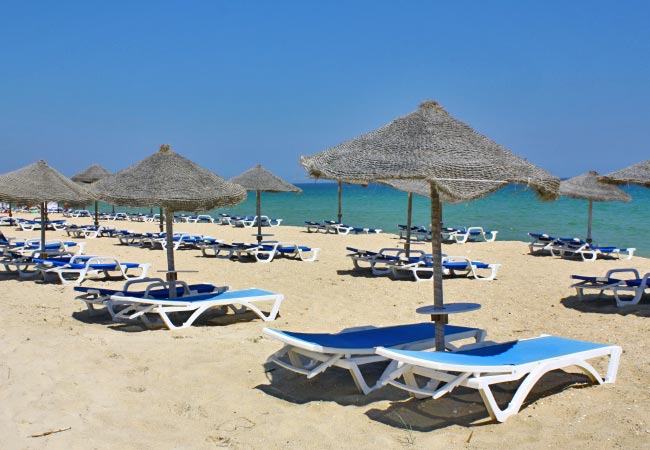
The eastern Algarve features flat terrain with protected barrier islands and calm lagoon channels, while the western half boasts impressive limestone cliffs and secluded coves. The warm, shallow waters of the Ria Formosa are ideal for families, stand-up paddleboarding, and relaxed swimming, while the cooler Atlantic waves on the west coast attract surfers and bodyboarders. Accessing eastern beaches often involves quick ferry rides from towns like Tavira, Fuseta, Olhão or Faro, whereas western beaches typically require navigating cliffside staircases to reach the sea.
- Geography and landscape: The east consists of peaceful sandbars within a sheltered lagoon system, while the west features striking orange cliffs carved by ocean waves.
- Water conditions: Eastern waters remain calm and warm in the protected ria, while western shores experience stronger currents and cooler temperatures year-round.
- Wildlife and nature: Look for flamingos, spoonbills, and shellfish beds in the east, versus dolphin sightings, sea caves, and clifftop wildflowers in the west.
- Atmosphere: Charming villages like Cacela Velha and Fuseta offer authentic local experiences, while western hotspots like Lagos buzz with nightlife and summer crowds.
Travel budgets also vary between regions. The eastern Algarve provides affordable family-run guesthouses, reasonably priced seafood restaurants, and inexpensive ferry rides to barrier islands. Western resorts tend to be more expensive, especially near famous spots like Praia da Marinha, where visitors queue for photos. Meanwhile, eastern destinations like Armona, Ilha Deserta, and other sandy islands offer peaceful sea views and uncrowded beaches where early risers can enjoy golden sands in tranquility.
| Feature | Eastern Algarve | Western Algarve |
| Landscape | Low-lying barrier islands and sandy lagoons | Dramatic sea cliffs and rocky inlets |
| Water conditions | Protected, warm, and shallow waters | Stronger ocean swells and cooler temps |
| Access | Short ferry trips from coastal towns | Parking at cliffs followed by stair descents |
| Wildlife | Flamingos, wading birds, and shellfish | Dolphins, cave systems, cliffside flora |
| Crowds (peak season) | More relaxed with space to spread out | Busier, especially at famous viewpoints |
| Typical base towns | Authentic villages like Tavira and Olhão | Resort towns with nightlife options |
Choosing Your Ideal Algarve Beaches
When deciding between eastern or western Algarve beaches, consider what matters most: peaceful nature walks, birdwatching, and child-friendly waters around Faro and Vila Real de Santo António, or breathtaking cliff scenery, cave exploration, and vibrant nightlife further west. Families with young children typically favor the protected eastern waters, while thrill-seekers prefer western waves and coastal hikes.
A smart approach combines both regions: Set up base in charming eastern towns like Tavira or Vila Real de Santo for sunrise swims, fresh seafood feasts, and easy ferry access to idyllic islands like Armona and Ilha Deserta, then plan day trips to western highlights including Benagil Cave and Ponta da Piedade. This balanced itinerary lets you experience both the serene eastern sands and the spectacular western cliffs that make Portugal’s Algarve coast so unforgettable.
Why the Eastern Algarve Sand Wins
The Eastern Algarve offers a refreshing alternative to dramatic cliffs, with its peaceful barrier islands, charming fishing villages, and some of Portugal’s most unspoiled sandy beaches. Nestled within the Ria Formosa Natural Park and just a short drive from Faro Airport, this region combines convenience with natural beauty. Here’s how staying in Tavira or Fuseta gives you easy ferry access to pristine ilhas (islands), plus seasonal tips and conservation practices to protect these fragile coastal ecosystems while enjoying unforgettable seaside moments.
Where to Stay for Easy Praias
If you’re wondering ” Is the Eastern Algarve worth visiting?”, the answer is absolutely! Here you’ll find miles of soft sand, tranquil lagoon waters, and authentic seafood markets – all without the crowds of the Western Algarve. Staying in Tavira, with its Roman bridge and picturesque blue-tiled houses, puts you just a short ferry ride from stunning beaches like Ilha de Tavira and Praia do Barril.
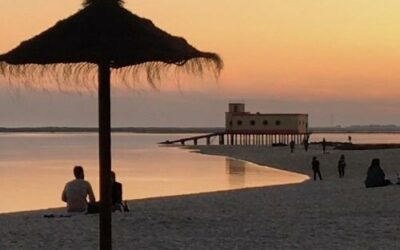
- Fuseta village: A genuine fishing harbor with morning fish markets, waterfront cafés, and access to both the Ria-facing beach and Atlantic oceanfront. Less touristy than other spots, but with excellent ferry and train connections. Discover a fantastic newly renovated house with privale pool in Fuseta.
- Tavira town: Perfect blend of historic charm and beach access, with elegant riverside streets, great dining, and quick boat trips to spectacular barrier island beaches.
- Olhão: The working heart of the Ria Formosa, where ferries depart for Armona, Culatra and Deserta islands. Its famous fish market draws mostly Portuguese visitors.
- Vila Real de Santo António: The easternmost point of the Algarve, offering a slower pace and easy access to pristine beaches near the Spanish border.
The region is wonderfully connected by train, with stations in Faro, Olhão, Fuseta, Tavira, and Vila Real de Santo António – all close to ferry piers for beach access. If driving, arrive early during summer as parking fills quickly.
Seasonal Tips and Safety
Spring (April-May) showcases the Ria Formosa at its most colorful, with wildflowers and migratory birds. Summer (June-September) brings warm waters but intense sun – plan beach visits for early morning or late afternoon. Autumn offers comfortable temperatures and fewer visitors, while winter reveals the region’s raw natural beauty.
Always check beach flags before swimming: green for safe, yellow for caution, and red when swimming is prohibited. Currents can be strong on Atlantic-facing beaches like Praia do Barril, so follow lifeguard advice and tide schedules.
Map, Ferries and Conservation
Pick up an Eastern Algarve beaches map at local tourist offices to locate ferry points, walking trails, and protected areas. Summer ferry services run frequently, while off-season schedules are more limited – always verify return times.
Help preserve this UNESCO-recognized ecosystem by staying on marked paths, respecting wildlife zones, and carrying out all trash. Support sustainable fishing by buying local seafood from Fuseta or Olhão markets, and choose eco-friendly boat tours.
With its endless sandy beaches, authentic fishing villages, and protected natural beauty, the Eastern Algarve offers a truly special Portuguese coastal experience.
Frequently Asked Questions
Where is the best place to stay in the Eastern Algarve?
For exploring eastern Algarve beaches, Tavira and Fuseta make ideal home bases. Both offer easy access to ferry piers, vibrant fishing village markets, and scenic waterfront cafes. The regional train along the Ria Formosa eliminates the need for a car. Tavira enchants visitors with its historic bridges, centuries-old churches, and charming riverfront promenades – perfect for culture lovers. Meanwhile, Fuseta attracts those seeking tranquility with its peaceful harbor, lagoon-side beaches (praias), and pristine stretches of sand. For a luxurious stay, consider Casa Fuseta – this beautifully restored 1903 residence features designer interiors, a private pool, breathtaking views, and en-suite rooms, all while keeping you close to the beach, local markets, and authentic local culture.
What part of the Algarve has the best beaches?
The eastern Algarve beaches are unparalleled, featuring expansive golden sands on barrier islands like Ilha de Tavira, Armona, Culatra, and Deserta. These protected shores, bordered by the calm waters of the Ria Formosa lagoon, remain significantly quieter than the cliff-backed coves in the west. Perfect for families, the gentle waters invite swimming and kayaking, while shell collectors appreciate the open spaces and sweeping views. While western beaches like Lagos and Albufeira thrill surfers with dramatic rock formations, the stretch from Faro to Vila Real de Santo António consistently wins over visitors seeking serenity, authentic fishing villages, and easy access via ferry to pristine beach destinations.
What is the nicest part of the Algarve?
The answer depends on your preferences, but many visitors find the eastern Algarve most appealing for its unspoiled beauty and traditional Portuguese charm. Picture this: morning walks along Cacela Velha’s picturesque cliffs, swimming at midday on Tavira’s endless beaches (praia), and enjoying grilled sardines at sunset in Fuseta. This relaxed rhythm, infused with authentic local culture and salty sea air, offers a wonderful contrast to the busier western resorts. With its safe swimming waters, breathtaking views, and remarkably preserved Algarve beaches, the east provides equally memorable experiences while maintaining its peaceful fishing village atmosphere.