Table of Contents
- What is Ria Formosa Natural Park and where is it in the Algarve?
- Exploring the islands, sand, and beaches of Ria Formosa
- Things to do in the park and where to stay near Faro
- Frequently asked questions
This guide explores the captivating Ria Formosa Natural Park near Faro, highlighting its distinctive geography, protected lagoon system, and exceptional ecosystems. It explains why this coastal lagoon is one of Portugal’s most remarkable landscapes and how to experience it with a little more understanding once you arrive.
What is Ria Formosa Natural Park and where is it in the Algarve?
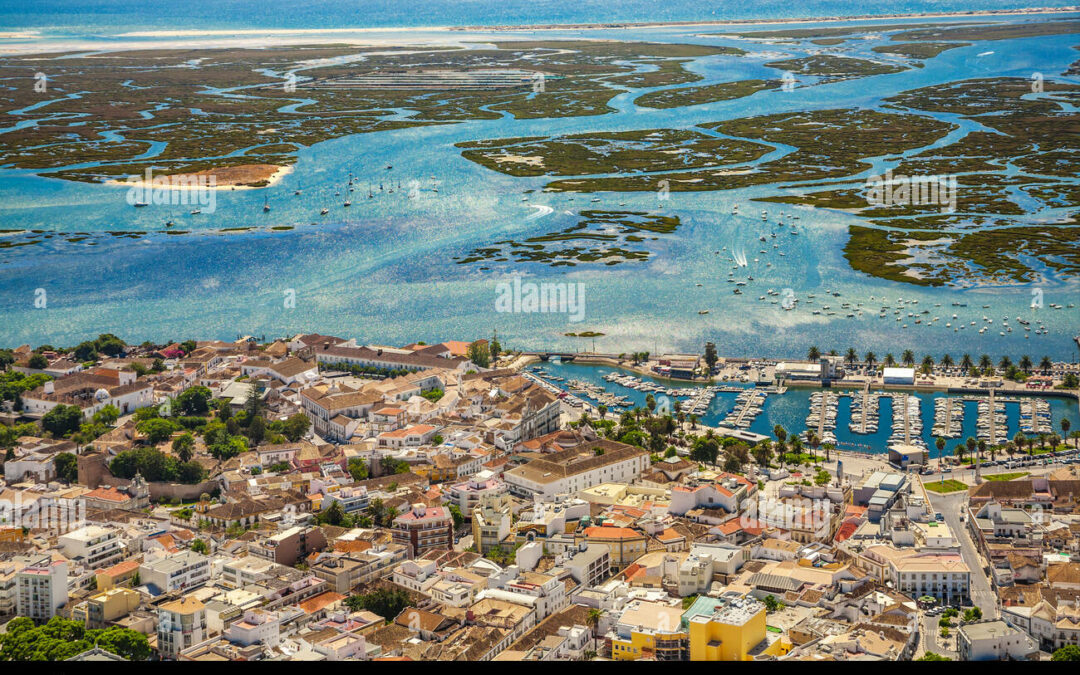
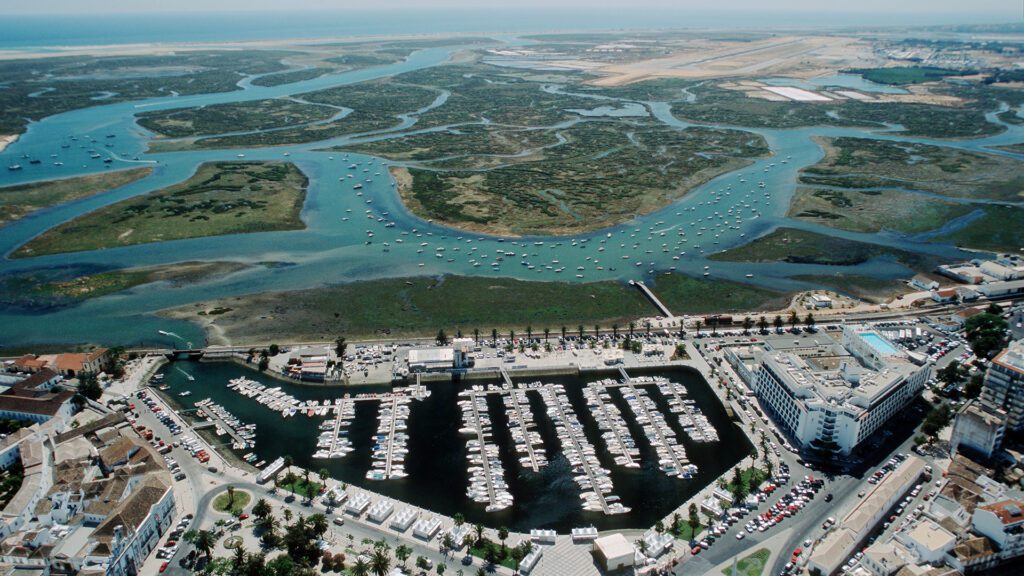
Stretching for roughly 60 kilometres along the Algarve coast towards the Spanish border, Ria Formosa Natural Park covers about 18,000 hectares across municipalities including Faro, Olhão, and Tavira. The Ria Formosa lagoon forms a striking mosaic of channels, marshes, and sandy barrier islands.
Geography and size of the Ria Formosa lagoon system in Portugal
This expansive protected area covers approximately 179 square kilometres of wetlands, channels, and marshes, including waterways, islands, and an estuarine lagoon system of unusual ecological value. Six inlets connect the lagoon to the Atlantic Ocean, including one artificial channel created for harbour access. In practice, the Ria Formosa is also notably easy to reach, just a short drive from Faro Airport.
- Barrier islands: Six main islands, including Culatra and Armona, help protect the lagoon from Atlantic swells and storms.
- Tidal network: A shifting pattern of channels and sandbanks changes with the tides, giving the landscape a different character from one hour to the next.
- Lagoon depth: The shallow waters, averaging only 1 to 2 metres in depth, suit kayaking and small boat excursions particularly well.
The scenery changes markedly with the tide: broad stretches of golden sand emerge at low water, then give way to a calm web of shallow channels as the sea returns. For centuries, these natural rhythms have supported fishing communities as well as fragile coastal ecosystems.
Why Ria Formosa Natural Park is a protected wetland and natural treasure
Designated a protected area in 1978, Ria Formosa stands among Europe’s most important ecological reserves. The lagoon acts as a blue carbon sink, absorbing carbon dioxide while filtering water and helping to reduce coastal erosion. Worth noting: its status as a UNESCO-recognised biosphere area reflects international recognition of its conservation value.
Named one of Portugal’s Seven Natural Wonders in 2010, the park is distinguished by both biodiversity and long-standing local heritage. More than 1,500 species are recorded here, sustained by nutrient-rich salt marshes that support marine life and bird populations alike. Continued conservation remains essential as the ecosystem faces pressure from climate change, pollution, and coastal change.
Wildlife and ecosystems inside the Ria Formosa: birdlife, species, and habitats
With around 30,000 migratory birds passing through each year, the Ria Formosa is a significant stop along the Europe–Africa migration route. Its vivid birdlife includes flamingos, storks, and herons, often seen feeding in the shallow channels throughout the year. The difference lies in the variety of habitats: salt marsh, mudflat, dune, and open water all sit within the same lagoon system, creating unusual richness in a relatively compact area.
- Avian diversity: Hundreds of bird species have been documented here, making this wetland a world-class birdwatching destination.
- Marine populations: Seahorses, dolphins, and a variety of fish species support both traditional fishing and sustainable aquaculture.
- Specialised vegetation: Salt-tolerant plants and dune-adapted flora provide essential habitats for native insects and reptiles.
- Fish nurseries: The sheltered, calm waters serve as crucial nursery grounds for fish, supporting local fishing communities.
Traditional Portuguese Water Dogs continue to assist fishermen in the area’s historic villages. Meanwhile, the salt marshes support unique plant life adapted to saline environments. Sandy flats also provide undisturbed breeding sites for birds and sustain diverse invertebrates.
The islands and beaches of the Ria Formosa offer a broad range of experiences, from secluded stretches of wilderness to places well suited to families. Each island has its own distinct character, from traditional fishing villages to unspoilt sands and notably clear water.
Exploring the islands, sand, and beaches of Ria Formosa
The islands of the Ria Formosa reveal a striking coastal landscape and lie just a short journey from Faro and the surrounding villages. These barrier islands and sandbanks are home to pristine beach environments that remain largely undeveloped. They offer a more natural retreat for travellers seeking an authentic Algarve experience away from the busier coastal resorts.
Guide to Ria Formosa’s main islands: Culatra, Tavira, and barrier islands
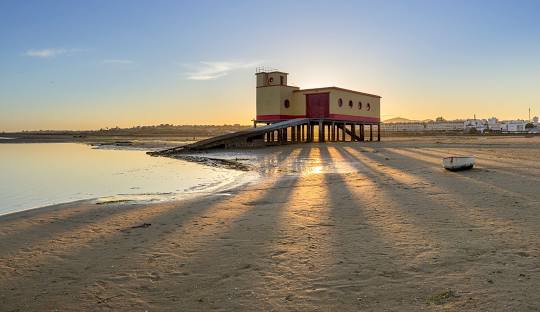
Each part of this remarkable park has features shaped by its geography and local character. Ilha Deserta is the most secluded: untouched dunes, one restaurant, and access only by boat. A visit to Cabo de Santa Maria also includes a scenic walk to Portugal’s southernmost point.
- Ilha da Culatra: A charming, car-free fishing village within the Ria Formosa Natural Park, known for brightly painted houses, traditional channels, and an authentic island way of life.
- Ilha do Farol: Home to a historic lighthouse, serene golden-sand beaches, and a peaceful atmosphere suited to a quieter stay.
- Praia de Faro: The easiest island to reach, connected by road and offering resorts and modern facilities that make it especially popular.
- Tavira Island: Known for Barril Beach and its historic anchor cemetery, with access to naturist beaches and a seaside campsite.
Fuseta Island lies just across from Fuseta village and is easily reached by a short ferry crossing through the Ria Formosa estuary. For those planning to stay nearby, Casa Fuzeta offers a refined retreat in this traditional fishing village. This carefully restored 1903 Ria Formosa beachfront villa pairs original stone walls with contemporary comfort: a rooftop lap pool, panoramic lagoon views, four en-suite bedrooms, thoughtful eco-conscious upgrades, and direct beach access.
| Island | Development Level | Best For | Access |
| Ilha Deserta | Minimal | Seclusion and pristine sand | Boat from Faro |
| Culatra Island | Traditional village | Authentic fishing culture | Ferry from Olhão |
| Ilha do Farol | Low-key | Quiet beaches and lighthouse | Boat from Faro |
| Praia de Faro | High (resorts) | Beach facilities and dining | Road connection |
| Tavira Island | Moderate | Naturist beaches and camping | Tram or ferry |
Best praia beaches in Ria Formosa: safe swimming at Cacela Velha and beyond
The beaches along the Ria Formosa offer very different swimming conditions, depending on whether the shore faces the lagoon or the Atlantic. The sheltered inner waters are often well suited to families with children: calmer, shallower, and easier to read. In contrast, the ocean-facing beaches tend to bring stronger surf and broader stretches of sand, better suited to confident swimmers and longer beach walks.
That distinction matters particularly around Praia de Cacela Velha and other tidal beaches within the natural park. Access changes with the tide: sandbanks that seem broad and simple to cross can become channels of deep water within a short time. Worth noting, local tide tables and weather updates should always be checked before setting out for more remote stretches.
Beyond swimming, the clear water in this part of the Algarve can also reward a quiet snorkelling stop, with small marine life visible in calmer conditions. Most of the barrier-island beaches remain car-free and lightly developed, which preserves the sense of space. The difference lies in the variety underfoot as well: fine sand, tidal flats, and open Atlantic strands each shape a different kind of beach day.
How to get to Ria Formosa islands from Faro: ferry, boat, and tram options
From there, reaching the islands is generally straightforward. Regular ferries connect Faro, Olhão, Fuseta, and Tavira with several of the barrier islands throughout the day, especially in the warmer months. Standard boat services are frequent on the main routes, making day trips easy to plan with little fuss.
Beyond the ferry crossings, Praia do Barril is reached by a small historic train that links the mainland to the beach across the lagoon. It is a gentle journey rather than a novelty ride, the kind of detail that gives the approach its own character. For travellers staying at Casa Fuzeta, Fuseta’s connections make island outings particularly simple in practice.
- Faro harbour ferries: offer direct connections to Ilha Deserta, Culatra, Farol, and the surrounding sandbanks.
- Olhão departure point: serves as the main gateway to the eastern islands, with the atmosphere of a working fishing town.
- Fuseta harbour access: provides short ferry crossings to Fuseta Island, ideal for families wishing to keep travel time to a minimum.
- Tavira tram connection: offers a distinctive historic route to Barril Beach, with open views across the landscape along the way.
Water-taxi services are also available from the main harbours, allowing greater flexibility for private transfers. Parking is generally straightforward nearby, which matters in practice for those arriving by car. Ferry timetables change with the seasons, so it is worth checking the latest schedule in advance.
From there, the wider Ria Formosa opens into a varied landscape of lagoons, beaches, and walking trails within a protected ecosystem. Boat trips, quiet kayaking routes, and well-marked paths make it easy to shape the day at a gentler or more active pace. Nearby accommodation ranges from waterfront houses to carefully appointed villas, with Casa Fuzeta offering particularly easy access to the islands for travellers planning to explore across several points of the coast.
Things to do in the park and where to stay near Faro
For those considering Ria Formosa activities near Faro, the area suits a wide range of energy levels. Relaxed lagoon cruises sit comfortably alongside longer paddling routes through quieter channels. This protected area supports year-round outings, often led by knowledgeable guides who bring the landscape into clearer focus.
Top activities in Ria Formosa: boat tours, kayaking, birdwatching, and beach exploration
A boat tour departing from Faro harbour typically lasts between two and four hours. These boat tours through the Ria Formosa lagoon system often call at barrier islands such as Ilha Deserta and Culatra, with time set aside for swimming. For wildlife watching at softer light levels, sunset catamaran departures from Faro and Olhão are particularly appealing.
- Kayaking and paddleboarding: paddling through the lagoon at sunrise brings the stillness of the channels into focus, with notable opportunities for wildlife sightings. Equipment is easy to hire near Fuseta and Cabanas de Tavira.
- Boat tour options: guided outings often include stops at oyster farms, offering insight into local aquaculture. Some also introduce the traditional methods of salt harvesting.
- Ludo Trail hiking: this flat seven-kilometre route near the airport provides broad views and is especially well regarded for birdwatching.
- Cycling routes: hiring a bicycle allows for an easy ride along park trails, and a longer coastal route links the city with nearby fishing villages.
Beyond Faro, the Quinta de Marim trail near Olhão makes an easy walk through marshland and is particularly well suited to early morning birdwatching before the heat builds. Beginners can also try windsurfing in the calmer waters of the Ria Formosa. The difference lies in choosing the right starting point: some areas favour wide open views, while others are better for quiet observation.
Best time to visit Ria Formosa natural park: seasons for birdwatching and beach activities
Spring is especially appealing for travellers drawn to the natural rhythms of the park. Blooming dunes and active birdlife establishing territory across the wetlands create excellent conditions for photography. In autumn, large migratory flocks pass through the reserve, while sea temperatures often remain warm enough for long, unhurried days on quieter beaches.
Winter is the quietest time in the park, which makes it especially well suited to birdwatching. Early mornings, before nine, tend to be best for photography: boat traffic is minimal and the light is still soft across the lagoon. It is also the season for more undisturbed encounters with nature across the different island landscapes.
That sense of timing matters when choosing where to stay near Ria Formosa. Summer brings the warmest weather and the liveliest beach atmosphere, while the shoulder seasons offer a more balanced rhythm: mild temperatures, easier crossings, and fewer visitors. In practice, the right base depends less on fashion than on how the days are intended to unfold.
From there, seasonal conditions also shape what can be seen across the wider Ria Formosa region near Faro. Rainfall affects water levels, and with them the feeding grounds used by shorebirds. Local guidance is worth seeking, particularly for walks, boat routes, and wildlife viewing that depend on current conditions.
Where to stay near Ria Formosa: Fuseta, Tavira, Faro, and beachfront accommodation
For easy access to the park and its beaches, the character of each base is distinct. Luxury resorts on the western edge of the park offer straightforward access to the lagoon, while boutique hotels in Faro pair roof terraces with proximity to key entry points. Private homes such as a Ria Formosa beachfront villa bring a different rhythm altogether: direct beach access, privacy, and rooftop pools that suit longer, quieter stays.
Beyond Faro, Fuseta and Cabanas de Tavira appeal to travellers looking for a more grounded connection to the coast. These fishing-village settings place daily life close at hand, and there are excellent Ria Formosa hotels near the wetlands, many with family-friendly facilities and ferry access. Families often choose to stay near Praia de Faro for one clear reason: the water is shallow and generally calm.
As with the setting itself, the range of accommodation is broad. From simpler addresses to more elevated stays, Ria Formosa hotels suit a wide variety of travel styles, while well-placed Ria Formosa rentals offer an especially flexible way to explore the islands and beaches. Casa Fuzeta remains rare in this stretch of coastline for travellers seeking a private base with immediate access to both the shoreline and the slower cadence of Fuseta.
Frequently asked questions
Is Ria Formosa worth visiting?
Yes. Ria Formosa Natural Park, in the Algarve in southern Portugal, is widely considered worth visiting for the quality of its protected landscape and the variety of experiences it offers. A UNESCO-recognised biosphere, it supports more than 1,500 species and provides an important stopover for around 30,000 migratory birds each year along the Europe-Africa route.
From there, the appeal becomes clear in practice: long sandy islands, calm lagoon waters, birdwatching, kayaking, and a more grounded sense of local life than in many busier coastal areas. The difference lies in the setting itself, where ecological richness and everyday beauty sit closely together.
Where is Ria Formosa, Portugal, located and how far is it from Faro?
Ria Formosa lies along the south-eastern coast of the Algarve, stretching for roughly 60 kilometres from the Faro area towards the Spanish border. The protected lagoon system extends across several municipalities: Loulé, Olhão, Tavira, and Vila Real de Santo António.
For travel planning, the distances are straightforward. By car, Fuseta can be reached from Faro Airport in about 25 minutes via the N125, while direct trains from Faro towards Tavira also stop at Fuseta, offering a practical car-free option that Casa Fuzeta knows many guests value.
Can you swim in Ria Formosa, and what are the safest areas?
Yes, swimming is possible in Ria Formosa, though conditions vary depending on the beach, the tide, and the current. The inner lagoon is often calmer and shallower than the open Atlantic side, which makes certain areas particularly suitable for families and for those who prefer gentler water.
Worth noting: tidal movement has a real effect on depth and flow, so the safest approach is to check local conditions before setting out. Clearly marked access points, seasonal supervision in some areas, and local guidance all help, and once you arrive, the difference between lagoon-side bathing and the ocean-facing beaches becomes easy to read.