
Table of Contents
- Mansion vs villa size: understanding square footage and living spaces
- Villa vs mansion architectural design: heritage, scale and interior elegance
- Luxury villa and mansion amenities: pools, entertainment and property features compared
- Frequently Asked Questions
Choosing between a villa and a mansion for your ideal real estate investment and luxury living experience comes down to comparing their scale, architectural design, and everyday practicality. This guide explores how each type of property can meet different investment goals whilst offering the privacy, exclusivity, and elegant lifestyle you desire.
Mansion vs villa size: understanding square footage and living spaces
Mansions typically exceed 10,000 square feet and can extend to 70,000 or more, spread across multiple floors and wings on a vast estate. In contrast, villas generally range from about 2,500 to 6,000 square feet, placing their living spaces on one or two levels for a more intimate, yet still grand and spacious atmosphere.
Square footage and bedroom capacity differences
A typical mansion, one of the most stately luxury homes, can accommodate at least five ensuite bedrooms, separate guest suites, and staff quarters, arranged throughout large buildings with a clear sense of hierarchy. A luxury villa, by contrast, usually includes three to five bedrooms within a single-family, cohesive residential structure, offering generous and easily accessible living spaces with luxurious design elements and interior finishes that keep amenities conveniently close.
- Mansion bedroom count: Five or more ensuite bedrooms, along with guest suites and staff quarters, often distributed across various wings and outbuildings.
- Villa bedroom count: Three to five ensuite bedrooms within one central building, providing smooth and efficient circulation for guests.
- Bathroom distribution: Mansions place multiple bathrooms throughout separate wings, whilst villas group ample bathrooms within a more condensed footprint.
- Functional room allocation: Mansions often include dedicated spaces like ballrooms, libraries, and formal dining rooms; villas tend to favour adaptable open-plan areas that serve multiple functions.
Casa Fuzeta is a perfect example of how thoughtful architectural design can rival sheer square footage in luxury property positioning. Its four ensuite bedrooms and flexible dormitory comfortably host up to twelve guests whilst maintaining an intimate and elegant feel. The property demonstrates how both villas and mansions—types of homes that represent stately dwellings—can achieve true luxury when architecture successfully balances privacy with shared social areas.
For many travellers, a villa-scale property hits the sweet spot among luxury homes options. The reduced size helps lower heating and cooling expenses, simplifies cleaning, and concentrates premium amenities in the areas where people spend the most time. By minimising long hallways—common in grand stately homes and manor estates—this design approach redirects resources towards premium finishes and inviting outdoor spaces instead of underused passages.
Villa and mansion spatial design: layout, circulation and architectural distinction
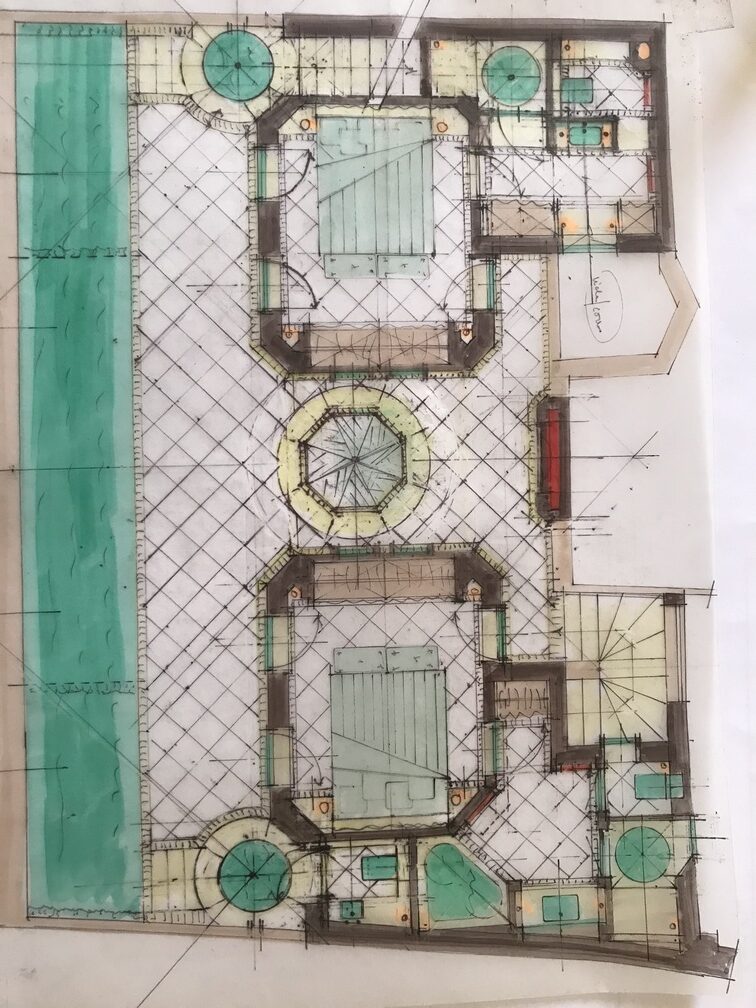
Mansion floor plans often feature double-height entryways, impressive staircases, and separate entertainment wings that isolate staff areas from family living areas, enhancing a sense of exclusivity. Villa layouts emphasise open concepts that blend the kitchen, dining, and lounge areas, encouraging effortless flow onto terraces and into landscaped gardens that serve as natural extensions of the living space. The difference lies in daily movement: villas merge indoor and outdoor areas using large glass doors, whilst mansions guide inhabitants through a series of rooms and hallways to reach distinct zones. This shapes operational efficiency, maintenance needs, and the overall feeling of elegance across the grounds.
Villa vs mansion land requirements: estate size, outdoor space and environmental impact
A mansion typically occupies several acres, showcasing impressive driveways, meticulously landscaped gardens, and generous setbacks that enhance privacy. Villas are situated on smaller plots—often a quarter to one acre—but still offer exclusive features like private pools, terraces, and beautifully designed outdoor areas tailored for relaxed luxury living without excessive upkeep.
Often located along coastlines or positioned in rural settings, villas maximise scenic views within a more compact footprint, using elegant greenery as a natural frame rather than expansive lawns. Estate-scale grounds usually require a dedicated team for maintenance, whilst a villa’s more manageable outdoor areas let eco-conscious owners enjoy luxury amenities with less maintenance and a smaller environmental footprint.
Villa vs mansion architectural design: heritage, scale and interior elegance
Villas often showcase contemporary design with clean lines and expansive windows, whilst mansions preserve classical grandeur through intricate ornamentation and balanced proportions. The aesthetic difference lies in philosophy: it helps clarify which approach aligns with your personal vision of luxury living.

Roman villas to mansions: architectural heritage and design evolution
The term villa originates from ancient Roman countryside retreats, designed for both leisure and modest commerce. These homes emphasised seamless indoor-outdoor flow with central courtyards and efficient layouts that encouraged intimate refuge. Mansions, derived from the Latin word mansio, later evolved into grand European estates showcasing Georgian, Baroque, or Mediterranean opulence—a deliberate shift towards grandeur that marks the enduring distinction in architecture.
Regional naming conventions can blur the lines—what’s called a Mediterranean villa might be marketed as a mansion in Anglo-American contexts. This variation reflects cultural differences rather than substantive design shifts, though the core architectural philosophies remain distinct regardless of shifting labels.
Interior styling and material choices
Mansion interiors celebrate ornate architectural design—marble columns, gold-leaf accents, frescoed ceilings, hand-carved millwork. Formal dining halls, ballrooms, and libraries reinforce hierarchy and emphasise grand social function. Villas, by contrast, lean towards minimalist elegance, favouring natural stone, timber, and panoramic glazing that blur boundaries between inside and outside.
Both use premium materials, but the approach differs. Mansions cover large surfaces with decorative finishes; villas use materials strategically—highlighting fireplaces, thresholds, or window frames to define intimate spaces. Casa Fuzeta exemplifies this villa philosophy: preserved 1903 Portuguese stone walls paired with a rooftop pool and high-end entertainment systems, all within a unified design narrative.
| Property aspect | Mansion approach | Villa approach |
| Interior styling | Ornate classical styles with elaborate detailing | Minimalist elegance with natural materials |
| Room specialisation | Dedicated ballrooms, libraries, formal halls | Flexible open-plan spaces for multiple uses |
| Material expression | Extensive ornamental surfaces throughout | Strategic material focal points and accents |
| Spatial flow | Hierarchical zones with service corridors | Seamless indoor-outdoor transitions |
| Heritage integration | Preservation of classical architectural elements | Blending historic character with modern comfort |
What distinguishes Casa Fuzeta is a villa renovation that honours heritage whilst embracing innovation. Moroccan-inspired courtyards bring charm and shaded retreats, whilst modern soundproofing and solar heating enhance comfort without compromising historical elegance. The result confirms that exceptional architectural design transcends time, size, and property type.
Heritage preservation versus modern innovation
Renovated villas like Casa Fuzeta incorporate sustainability and technology whilst honouring original craftsmanship. The 1903 stone structure maintains its authentic appeal, even as discreet climate control and high-speed internet provide premium comfort for modern luxury living.
Historic mansion façades retain classic opulence through original details seldom seen in new construction, though maintaining such grandeur requires considerable restoration budgets and expert care. Villas, often classified as country houses or large residences, blend heritage with practical updates more efficiently, offering timeless appeal without the demanding upkeep typical of larger estates.
Luxury villa and mansion amenities: pools, entertainment and property features compared
A luxury mansion showcases its high-end amenities across multiple structures and beautifully landscaped grounds, creating an expansive playground for grand-scale entertaining. A villa, by contrast, focuses its premium comforts within a single, intimate residence, promoting effortless flow and relaxed privacy. Your choice between these two design philosophies depends on whether your dream home prioritises hosting large celebrations or serves as a quiet, exclusive retreat.
Pool facilities and wellness features compared
Mansion estates often feature multiple indoor and outdoor swimming pools, hot tubs, saunas, gyms, and dedicated spa wings—all thoughtfully dispersed across the property to accommodate different guest groups. Villas, meanwhile, typically highlight one stunning infinity pool, a rooftop lounge, and spa-inspired bathrooms, offering premium wellness features just steps away. Both deliver elegance, but mansion features emphasise scale, whilst villas focus on refined, integrated details.
- Mansion pool infrastructure: Multiple climate-controlled swimming pools with spacious decks, ideal for large gatherings and exclusive events.
- Villa pool design: A single, high-specification pool, often on a rooftop or within a courtyard, designed to maximise views and social interaction.
- Wellness facilities: Luxury mansions include separate gyms, saunas, and treatment rooms; villas incorporate yoga studios and spa bathrooms directly into the main living area.
- Operational demands: Mansion grounds require a permanent staff for upkeep, whilst villas concentrate resources on maintaining one premium facility in perfect condition.
Casa Fuzeta exemplifies villa-scale opulence with a year-round rooftop lap pool maintained at 26–28°C, seamlessly blending exercise and leisure whilst offering panoramic sea and village views. Sunlit decks, waterside dining terraces, and Moroccan-inspired courtyards create varied relaxation zones without vast grounds—proving that a compact design can still deliver an exclusive, high-end experience.
Entertainment systems and culinary infrastructure
A luxury mansion typically includes dedicated cinemas, wine cellars, music rooms, and professional-grade catering kitchens capable of supporting lavish banquets. Villas integrate cutting-edge audiovisual systems and chef-quality appliances directly into multifunctional living spaces, preserving elegance without unnecessary formality. The result is a premium environment that transitions effortlessly between informal family dinners and intimate social gatherings.
- Entertainment systems: Mansions distribute technology across specialised rooms like ballrooms and libraries; villas incorporate high-quality setups into central living areas.
- Culinary facilities: Mansion estates often include main kitchens plus separate staff workspaces; villas rely on one expertly equipped kitchen used by both owners and visiting chefs.
- Event capacity: Mansions can host several hundred guests; villas excel with smaller groups of 12–20, ensuring privacy and comfort.
- Service requirements: Luxury mansions usually require a permanent household staff, whilst villas often use on-call concierge teams to provide chefs and bartenders as needed.
Casa Fuzeta’s professional kitchen rivals those of exclusive restaurants, and its concierge partnerships can arrange private chefs, transfers, and bespoke excursions. This flexible model delivers premium hospitality without requiring entire wings reserved for permanent staff, aligning with contemporary preferences for efficiency and elegance.
Privacy solutions and investment potential
Privacy in a mansion often comes from grand gates, long driveways, and extensive acreage that create physical separation from the outside world. Villas achieve a similar sense of seclusion through smart positioning, high walls, lush landscaping, and subtle security technologies that integrate seamlessly into the overall design, maintaining both safety and visual elegance.
From a real estate investment perspective, gated villa communities often see steady annual growth of 7–10%, appealing to families looking for an effortlessly managed dream home. Luxury mansions retain significant resale value amongst ultra-wealthy buyers, though their niche market can sometimes limit liquidity. The renovated 1903 Portuguese beachfront luxury beachfront villa exemplifies a high-end villa that contrasts with a mansion by delivering luxury within a more intimate, historic setting: it features a rooftop pool, four en-suite bedrooms, a shaded patio for dining, and direct beach access, all seamlessly integrated into the natural landscape of the Ria Formosa rather than the expansive grounds and multiple wings typical of a mansion.
Ultimately, choosing between a villa and a mansion comes down to weighing your lifestyle preferences, privacy needs, and long-term financial objectives.
Frequently Asked Questions
Which is bigger: a villa or a mansion?
A mansion is significantly larger than a villa. Mansions typically exceed 10,000 square feet and extend across multiple storeys and wings on several acres, whilst villas range from 2,500 to 6,000 square feet on one or two levels. This size difference reflects their distinct purposes: mansions accommodate large households and grand-scale entertainment, whilst villas prioritise luxury within a more manageable, intimate scale.
What makes a villa different from a mansion?
Villas and mansions differ fundamentally in size, architectural design, and lifestyle philosophy. Villas emphasise contemporary design with open living spaces, seamless indoor-outdoor flow, and concentrated luxury amenities within a single structure—ideal for families seeking efficiency and relaxed entertaining. Mansions preserve classical grandeur across multiple wings with specialised rooms, hierarchical zones, and extensive grounds requiring substantial staffing and budgets. Properties like the luxury villa in Algarve demonstrate how villa design principles deliver exclusive coastal access and personalised hospitality—a sharp contrast to the formal, expansive atmosphere of grand mansions.
Are luxury villas a better investment than mansions?
Luxury villas in sought-after coastal or rural locations typically appreciate at 7–10% annually, attracting broad buyer interest from families and second-home investors alike. Whilst mansions retain high absolute values, their ultra-niche market can sometimes restrict liquidity and resale speed. Properties crafted by thoughtful design teams, such as the luxury villa at Comporta, demonstrate how contemporary architecture can command premium valuations whilst maintaining intimate, nature-focused settings. For most investors, villa appreciation percentages often outpace mansions, though location, architectural excellence, and market positioning remain the ultimate success factors.
Is a villa or mansion more luxurious for family living?
Luxury isn’t truly defined by the label—villa or mansion—but rather by what aligns with your family’s daily life. A mansion certainly offers grandeur and impressive spaces, perfect for multi-generational gatherings, yet demands significant staffing and operational budgets. An elegant villa, such as Casa Fuzeta, delivers elegant living with beautiful rooms, private pools, and the rare quality of privacy on a human-scaled estate. True exclusive comfort, sustainable living, and authentic relaxation often surpass the simple appeal of sheer scale.
What defines superior luxury—estate size or amenity quality?
Modern luxury increasingly defines itself by material quality, impeccable design, and ease of living—rather than solely by land area or building footprint. An elegant villa blending refined aesthetics, concierge services, panoramic views, and bespoke amenities can feel far more exclusive and luxurious than a vast mansion demanding constant upkeep. Understanding these distinctions through resources like the villa vs mansion comparison clarifies how property types have evolved across cultures and centuries. Casa Fuzeta exemplifies this principle perfectly: the restored 1903 Portuguese beachfront estate combines professional kitchens and stunning rooftop pools with personalised hospitality, proving that true grandeur and elegance arise from thoughtful architectural design and high-end offerings—not simply from scale.